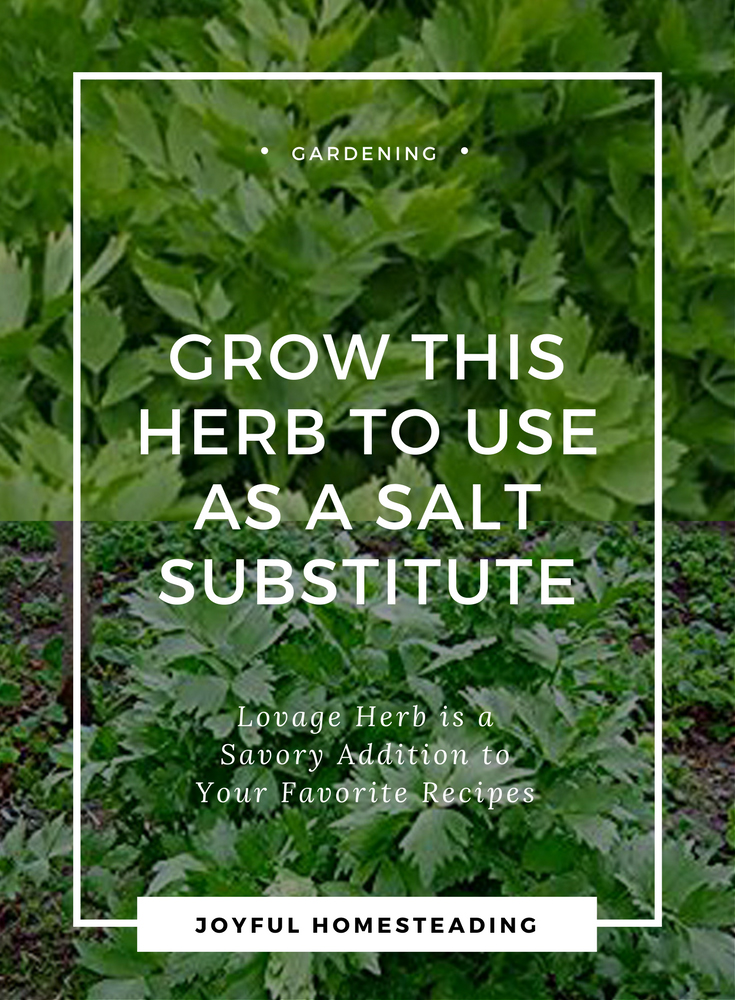
The culinary world is rich with aromatic herbs, but few possess the unique versatility and profound character of Lovage herb. Often overshadowed by more common counterparts like parsley or celery, this robust perennial deserves a spotlight for its distinctive flavor, impressive garden benefits, and even its powerful aromatic oil. Known botanically as Levisticum officinale, Lovage is a truly remarkable plant that can elevate dishes, support a thriving garden ecosystem, and even play a role in high perfumery. Let's delve into the many facets of this fascinating herb.
Discovering the Distinctive Flavor of Lovage Herb in the Kitchen
At the heart of Lovage's appeal is its singular taste profile. Imagine a bolder, more intense cousin to celery, with hints of parsley, subtle anise, and a peppery undertone. This complexity makes it a treasured ingredient in kitchens that appreciate depth and character.
Culinary Uses for Lovage Leaves
The fresh leaves of Lovage herb are perhaps its most common culinary application. They can be used much like parsley or celery leaves, but with a more pronounced impact. Due to their potent flavor, it's often wise to start with a small amount and adjust to taste.
- Soups and Stews: Lovage is a natural fit for hearty broths, vegetable soups, and meat stews. Its robust flavor stands up well to long cooking times, infusing the dish with a savory, herbaceous essence. Think of it as an instant flavor enhancer for any chicken, beef, or vegetable stock.
- Salads: Young, tender Lovage leaves can add a vibrant, peppery kick to green salads, potato salads, or even grain-based salads. Mince them finely and combine with other herbs for a fresh and unexpected twist.
- Sauces and Dressings: Infuse olive oil or vinegar with Lovage leaves to create unique dressings. They can also be finely chopped and stirred into cream sauces for fish or poultry, or blended into pesto for a more assertive flavor than traditional basil pesto.
- Root Vegetables: Lovage pairs exceptionally well with potatoes, carrots, and parsnips. Try adding chopped leaves to roasted potatoes or mashed potatoes for an earthy lift.
- Seasoning Meats and Fish: Use Lovage as a rub for roasted chicken or fish, either fresh or dried. Its savory notes complement both white meats and oily fish beautifully.
To preserve the leaves, they can be dried, though some of their delicate aromatics may diminish. Freezing chopped leaves in ice cube trays with a little water or oil is an excellent way to capture their fresh flavor for later use in cooked dishes.
Culinary Uses for Lovage Roots
Beyond the leaves, the roots of the Lovage herb offer an even more concentrated and earthy flavor. They are denser and have a slightly different character, often described as more intensely savory with deeper notes of celery and a hint of bitterness. The roots, like the leaves, belong to the same botanical family as celery and angelica, and this kinship is evident in their aromatic profile.
- Roasted Vegetables: Peel and chop Lovage roots, then roast them alongside other root vegetables like carrots, parsnips, or potatoes. They add a unique depth of flavor that is both comforting and sophisticated.
- Stocks and Broths: For a truly rich and complex stock, add chunks of Lovage root along with your usual aromatics. Its powerful flavor will permeate the broth, creating an unparalleled base for soups and sauces.
- Infused Oils and Vinegars: Thinly slice Lovage root and infuse it in olive oil or white wine vinegar for a potent condiment that can be used in dressings, marinades, or drizzled over cooked dishes.
- Pickling: Small pieces of Lovage root can be added to pickling brines to impart a distinctive, savory note to pickled vegetables.
Whether using the vibrant leaves or the grounding roots, the Lovage herb offers a culinary journey unlike any other, promising to transform everyday meals into gourmet experiences.
Lovage Herb as a Garden Ally: A Natural Companion
Beyond its gastronomic prowess, Lovage herb shines as a benevolent presence in the garden. Revered for its role as a beneficial companion plant, it's a true ally for nearly all different plant species, contributing to a healthier, more productive garden ecosystem.
The Benefits of Companion Planting with Lovage
The concept of companion planting involves growing certain plants together for mutual benefit, and Lovage excels in this role. Here’s why it's a garden essential:
- Pest Repellent: The strong, aromatic oils present in Lovage are believed to deter a variety of common garden pests. Its pungent scent can confuse pests, making it harder for them to locate target plants.
- Attracts Beneficial Insects: While repelling unwanted visitors, Lovage also has a knack for attracting beneficial insects like hoverflies and parasitic wasps, which prey on aphids and other destructive pests. Its umbrella-shaped flower heads (umbels) provide landing pads and nectar for these helpful garden residents.
- Soil Improvement: As a deep-rooted perennial, Lovage helps to break up compacted soil, improving aeration and water penetration. Its decaying leaves also contribute organic matter to the soil, enriching its fertility.
- Flavor Enhancement: Anecdotal evidence suggests that Lovage can enhance the flavor of neighboring plants, particularly vegetables. Its presence is thought to make plants like potatoes and tomatoes taste sweeter and more vibrant.
- Natural Mulch: The large, lush foliage of Lovage can help shade the soil around its base, reducing weed growth and conserving soil moisture for nearby plants.
Growing Lovage in Your Garden
Cultivating Lovage herb is relatively straightforward, making it an excellent choice for both novice and experienced gardeners. It's a hardy perennial that can thrive for many years with minimal fuss.
- Sunlight: Lovage prefers full sun to partial shade. In hotter climates, a spot with some afternoon shade will prevent the leaves from scorching.
- Soil: It flourishes in rich, moist, well-drained soil. Amend heavy clay soils with compost to improve drainage and fertility.
- Watering: Keep the soil consistently moist, especially during dry spells. Lovage is a thirsty plant, but it dislikes waterlogged conditions.
- Space: This herb can grow quite large, reaching up to 6 feet in height and 3 feet in width. Give it ample space to spread without crowding neighboring plants.
- Propagation: Lovage can be grown from seed, started indoors in early spring, or directly sown outdoors after the last frost. It can also be propagated by dividing mature clumps in spring or fall.
- Harvesting: Harvest leaves as needed throughout the growing season. For roots, wait until the plant is at least two years old, digging them up in the fall after the foliage has died back.
Incorporating Lovage herb into your garden design isn't just about enjoying its culinary benefits; it's about fostering a healthier, more resilient garden environment through nature's own wisdom.
The Potent Allure of Lovage Root Oil in Aromatics and Perfumery
Beyond the kitchen and garden, the concentrated essence of Lovage herb takes on an entirely new dimension in the world of aromatics and perfumery. Lovage root oil is a substance of remarkable power and complexity, renowned for its intense and captivating aroma.
An Olfactory Powerhouse
The scent of Lovage root oil is an experience in itself. It delivers an intense wave of warm celery, angelica, and liquorice notes, all intertwined with spicy, sweet, earthy, and almost savoury undertones. This multi-faceted profile sets it apart, making it one of the strongest-smelling natural materials known to existence. Its potency is truly remarkable; a single drop has the capacity to perfume an entire room, asserting its presence with unmistakable authority.
Micro-Dosing in High Perfumery
Given its incredible concentration, Lovage root oil is typically used in micro-doses, often at trace levels, within perfumery compositions. Even at these minute quantities, it produces extraordinary effects, adding unique nuances and unexpected twists to fragrances. Its kinship with celery and angelica, stemming from their shared botanical family, is clearly audible in its deep, green, and slightly medicinal aroma.
- Savoury Warmth: One of its most surprising applications is lending a sophisticated, savoury warmth to traditionally floral compositions. A trace of Lovage root oil can transform rose and carnation perfumes, adding an intriguing depth that makes them truly stand out.
- Earthy Depth: For oriental, fougère, and spice accords, Lovage root oil provides an unparalleled earthy depth. It grounds these complex fragrances, adding a natural, rooted dimension that enhances their richness and longevity.
- Strategic Pairings: Master perfumers often pair Lovage root oil with other potent naturals to create harmonious and complex scents. It finds excellent companionship with notes like oakmoss, opopanax, costus, and coumarin, where its unique profile can truly shine without overpowering.
The transformative power of this essential oil is a testament to the herb's deep-seated aromatic compounds. However, due to its extreme concentration, it is absolutely crucial to always dilute heavily when working with Lovage Root Oil: Unveiling Its Potent Celery-Angelica Scent. This is one of perfumery's most concentrated naturals, and proper handling ensures its magic is harnessed responsibly. To learn more about its nuanced application, explore The Power of Lovage Root Oil: Micro-Dosing in Perfumery.
Cultivating Lovage: From Seed to Harvest
Bringing the versatile Lovage herb into your home garden is a rewarding endeavor. As a perennial, it offers years of bountiful harvests with relatively little fuss. Understanding its growth habits and needs ensures a healthy, productive plant.
Establishing Your Lovage Patch
Lovage herb thrives in conditions that mimic its natural habitat. It prefers a location that receives full sun to partial shade, especially in regions with intense afternoon heat where some dappled shade can prevent leaf scorch. The soil is paramount: it loves rich, fertile, and consistently moist soil that drains well. Before planting, amend your soil generously with organic compost to improve its structure and nutrient content. This perennial herb can grow quite large, often reaching heights of 4-6 feet and a spread of 2-3 feet, so allow ample space for it to mature without crowding other plants.
Propagation and Care
Lovage can be started from seeds, which germinate best after a period of cold stratification. Sow seeds indoors in early spring for transplanting after the last frost, or direct sow them in the garden once the soil has warmed. Alternatively, mature plants can be divided in spring or fall, offering a quicker way to establish new plants. Once established, Lovage is quite resilient. It requires consistent moisture, especially during dry spells, but avoid waterlogging the soil to prevent root rot. A layer of organic mulch around the base of the plant will help retain soil moisture, suppress weeds, and provide a slow release of nutrients. While generally robust, a light feeding with balanced organic fertilizer in spring can encourage vigorous growth. Pests and diseases are rarely an issue for this hardy herb, making it a low-maintenance addition to any garden.
Harvesting for Peak Flavor
The leaves of Lovage herb can be harvested throughout the growing season. For the best flavor, pick young, tender leaves before the plant flowers. Regular harvesting also encourages more bushy growth. For culinary uses, fresh leaves are preferred, but they can also be dried or frozen for later use. If you plan to harvest the roots, it's best to wait until the plant is at least two to three years old to allow the root system to fully develop. Dig up the entire plant in the fall after the foliage has started to die back, wash the roots thoroughly, and prepare them for your desired use – whether for culinary purposes or for extracting its potent essential oil.
Conclusion
From its savory presence in the kitchen to its role as a supportive ally in the garden and its potent essence in perfumery, the Lovage herb is an extraordinary plant of remarkable versatility. Its distinctive celery-like flavor, combined with hints of parsley and a subtle spiciness, offers a unique culinary adventure for chefs and home cooks alike. As a beneficial companion plant, it naturally enhances the health and productivity of the garden, making it an invaluable asset for any green thumb. And for those drawn to the world of aromatics, the intensely potent Lovage root oil provides an unparalleled depth and warmth, capable of transforming fragrance compositions with just a trace. Whether you're a culinary enthusiast, a passionate gardener, or an admirer of fine fragrances, embracing Lovage means discovering a herb that truly enriches every facet of life.